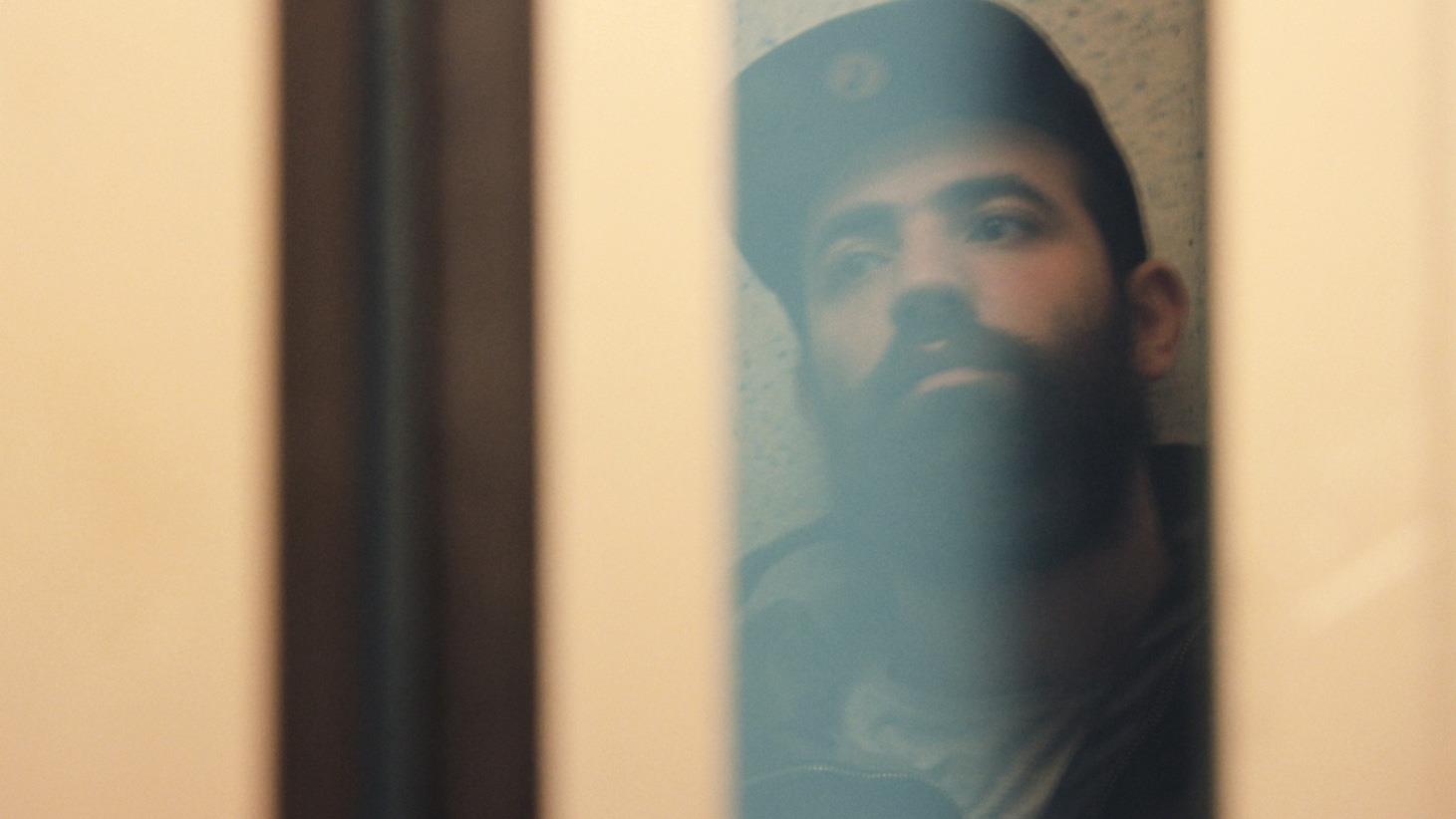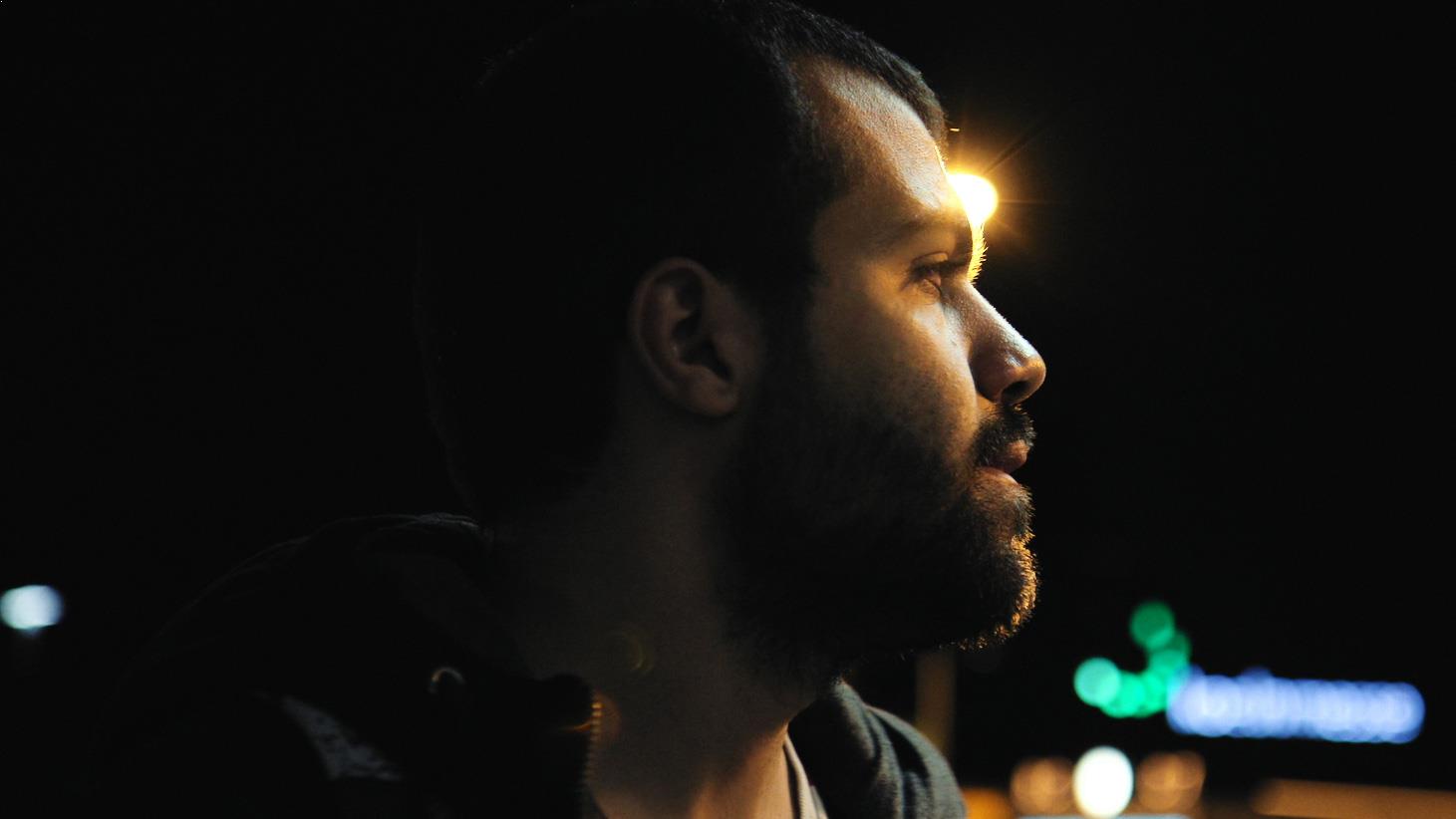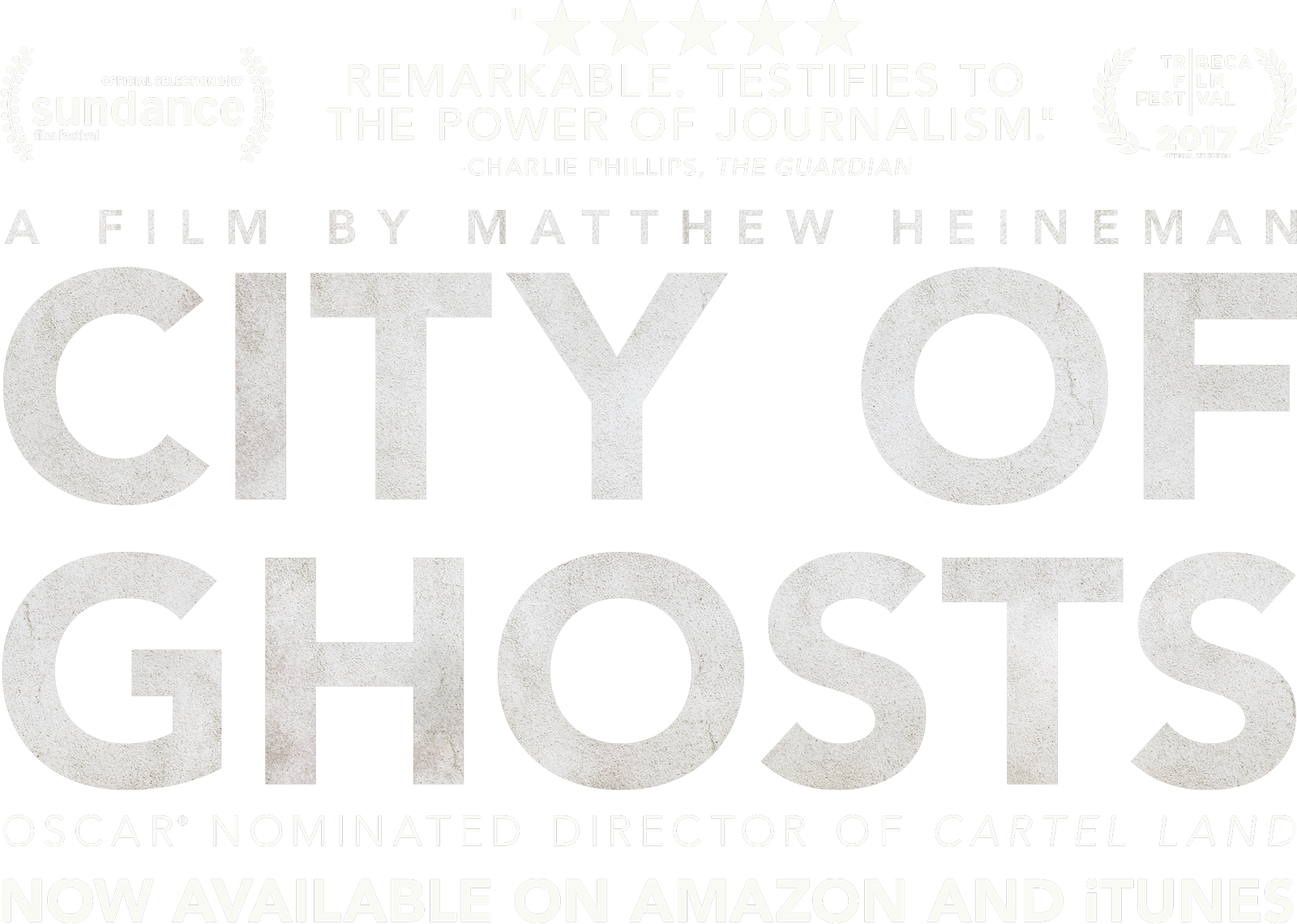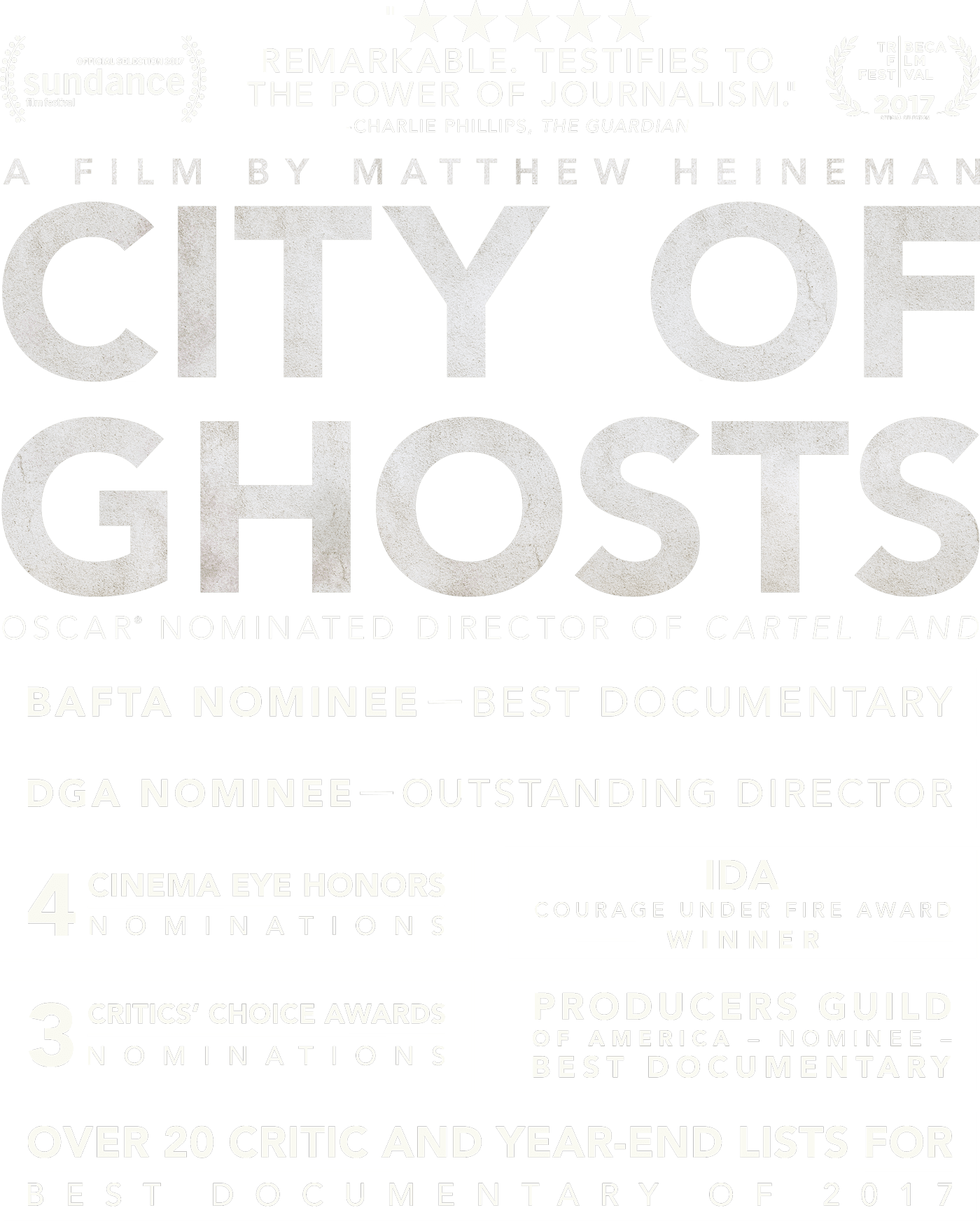




Directed, produced, and filmed by Academy Award–nominated and Emmy–winning filmmaker Matthew Heineman, City of Ghosts is a singularly powerful cinematic experience that is sure to shake audiences to their core as it elevates the canon of one of the most talented documentary filmmakers working today. Captivating in its immediacy, City of Ghosts follows the journey of “Raqqa is Being Slaughtered Silently” – a handful of anonymous activists who banded together after their homeland was taken over by ISIS in 2014. With astonishing, deeply personal access, this is the story of a brave group of citizen journalists as they face the realities of life undercover, on the run, and in exile, risking their lives to stand up against one of the greatest evils in the world today.
To learn more about Raqqa is Being Slaughtered Silently (RBSS), click here:www.raqqa-sl.com/en/

The year 2013 was a pivotal one for cybersecurity, marked by a significant increase in the number and sophistication of cyber threats. As technology continued to advance and more devices became connected to the internet, the attack surface for hackers and cybercriminals expanded, making it easier for them to exploit vulnerabilities and steal sensitive information. In this article, we’ll take a closer look at the state of cybersecurity in 2013, highlighting key trends, threats, and insights that defined the year.
In 2013, APTs became increasingly common, with several high-profile attacks making headlines. For example, in March 2013, a series of APTs targeting US government agencies and defense contractors was uncovered, resulting in the theft of sensitive information and intellectual property. Similarly, in November 2013, a major APT attack was launched against several major retailers, including Target and Neiman Marcus, resulting in the theft of millions of credit card numbers and other sensitive data.
One of the most significant developments in cybersecurity in 2013 was the rise of Advanced Persistent Threats (APTs). APTs are sophisticated, targeted attacks that involve a series of complex steps, including reconnaissance, exploitation, and data exfiltration. These attacks are often carried out by nation-state actors or organized crime groups, and are designed to evade traditional security measures.
Social media platforms continued to play a significant role in cybersecurity in 2013, with many high-profile breaches and attacks originating from social media channels. For example, in 2013, a series of Twitter accounts, including the Associated Press and the BBC, were hacked, resulting in the spread of false information and financial losses.
7/7/17 – NEW YORK, NY
7/14/17 – Berkeley, CA
7/14/17 – Hollywood, CA
7/14/17 – LOS ANGELES, CA
7/14/17 – SAN FRANCISCO, CA
7/14/17 – WASHINGTON, DC
7/21/17 – CHICAGO, IL
7/21/17 – DENVER, CO
7/21/17 – Encino, CA
7/21/17 – Evanston, IL
7/21/17 – Irvine, CA
7/21/17 – LOS ANGELES, CA
7/21/17 – ORANGE COUNTY, CA
7/21/17 – Pasadena, CA
7/21/17 – PHILADELPHA, PA
7/21/17 – SEATTLE, WA
7/28/17 – ALBANY, NY
7/28/17 – ALBUQUERQUE, NM
7/28/17 – AUSTIN, TX
7/28/17 – CLEVELAND, OH
7/28/17 – DALLAS, TX
7/28/17 – Edina, MN
7/28/17 – INDIANAPOLIS, IN
7/28/17 – Kansas City, MO
7/28/17 – LONG BEACH, CA
7/28/17 – MINNEAPOLIS, MN
7/28/17 – NASHVILLE, TN
7/28/17 – PHOENIX, AZ
7/28/17 – Portland, OR
7/28/17 – Salt Lake City, UT
7/28/17 – Santa Rosa, CA
7/28/17 – Scottsdale, AZ
7/28/17 – Waterville, ME
8/4/17 – Charlotte, NC
8/4/17 – Knoxville, TN
8/4/17 – Louisville, KY
8/18/17 – BURLINGTON, VT
8/18/17 – St. Johnsbury, VT
8/25/17 – Lincoln, NE

Sundance Film Festival 2017
CPH:DOX 2017
DOCVILLE International Documentary Film Festival 2017
Dallas Film Festival 2017
Sarasota Film Festival 2017
Full Frame Documentary Film Festival 2017
San Francisco International Film Festival 2017
Tribeca Film Festival 2017
Hot Docs 2017
Independent Film Festival Boston 2017
Montclair Film Festival 2017
Seattle International Film Festival 2017
Telluride Mountainfilm 2017
Berkshire International Film Festival 2017
Greenwich Film Festival 2017
Sheffield Doc/Fest 2017
Human Rights Watch Film Festival 2017
AFIDOCS 2017
Nantucket Film Festival 2017
Frontline Club 2017

The year 2013 was a pivotal one for cybersecurity, marked by a significant increase in the number and sophistication of cyber threats. As technology continued to advance and more devices became connected to the internet, the attack surface for hackers and cybercriminals expanded, making it easier for them to exploit vulnerabilities and steal sensitive information. In this article, we’ll take a closer look at the state of cybersecurity in 2013, highlighting key trends, threats, and insights that defined the year.
In 2013, APTs became increasingly common, with several high-profile attacks making headlines. For example, in March 2013, a series of APTs targeting US government agencies and defense contractors was uncovered, resulting in the theft of sensitive information and intellectual property. Similarly, in November 2013, a major APT attack was launched against several major retailers, including Target and Neiman Marcus, resulting in the theft of millions of credit card numbers and other sensitive data.
One of the most significant developments in cybersecurity in 2013 was the rise of Advanced Persistent Threats (APTs). APTs are sophisticated, targeted attacks that involve a series of complex steps, including reconnaissance, exploitation, and data exfiltration. These attacks are often carried out by nation-state actors or organized crime groups, and are designed to evade traditional security measures.
Social media platforms continued to play a significant role in cybersecurity in 2013, with many high-profile breaches and attacks originating from social media channels. For example, in 2013, a series of Twitter accounts, including the Associated Press and the BBC, were hacked, resulting in the spread of false information and financial losses.