

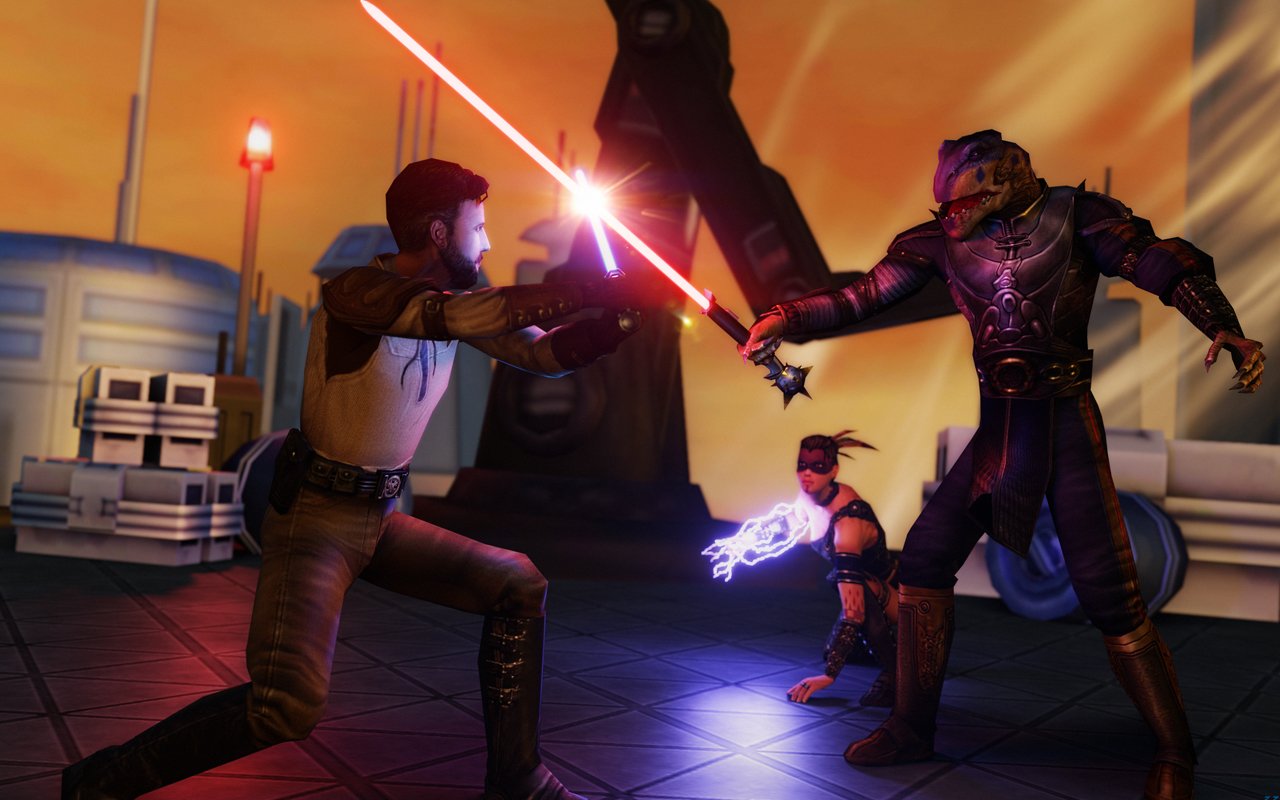
 1st Place Winner Reepray with Rishi Station 2,
  2nd Place Winner chloe with Oasis Mesa, and
  3rd Place Winner Artemis with TFFA Brutal! Amazing submissions by everyone!

Da Vinci Code Tagalog Dubbed (RECENT – 2025)
The 2006 film adaptation of Dan Brown’s The Da Vinci Code is a global cinematic phenomenon, a thriller woven with complex threads of religious symbology, European art history, and controversial theological conjecture. When a film of this intellectual and cultural density is transported to the Philippines, a nation where Catholicism is deeply intertwined with daily life and where Tagalog (Filipino) is the lingua franca of mass entertainment, the act of dubbing becomes more than mere translation. It becomes a radical act of cultural alchemy. Examining The Da Vinci Code in its Tagalog-dubbed version reveals a fascinating tension: the attempt to make a distinctly Western, elite-coded mystery accessible to a mass Filipino audience while navigating the potential ideological landmines the film lays at the doorstep of the Roman Catholic Church.
On the other hand, a profound dissonance persists. The film’s visual landscape—Rosslyn Chapel, the Louvre, Westminster Abbey—remains utterly foreign. The Tagalog voice coming out of Tom Hanks’ mouth creates a Brechtian alienation effect; the viewer is constantly aware they are watching a constructed product. Furthermore, the film’s core intellectual pleasure—decoding symbols and historical riddles—may be flattened in translation. A pun or a Latin root that works in English might have no equivalent in Tagalog. The dub might prioritize clarity over cleverness, turning a subtle intellectual thriller into a more straightforward action-mystery. da vinci code tagalog dubbed
What would a Filipino viewer experience watching The Da Vinci Code in Tagalog? On one hand, there is the comfort of familiarity. Complex plot twists about the Merovingian bloodline become clearer when explained in the direct, concrete grammar of Tagalog. The film transforms from a highbrow Western puzzle into an elaborate eskandalo (scandal) or tsismis (gossip) about the Church—a genre Filipinos are culturally adept at consuming. The 2006 film adaptation of Dan Brown’s The
The core challenge of dubbing The Da Vinci Code lies in its dialogue. The original script relies on rapid-fire exchanges filled with Latinate terminology (“The Holy Grail,” “Opus Dei,” “Priory of Sion”), French place names, and art-historical jargon (e.g., “golden ratio,” “chiastic structure”). A direct, literal translation into Tagalog would be disastrously clunky. Tagalog is an Austronesian language that thrives on affixes, repetition, and a different rhythmic cadence compared to English. Examining The Da Vinci Code in its Tagalog-dubbed
In the Philippines, dubbing is not a niche preference but a commercial and cultural imperative. While educated urban Filipinos may prefer subtitles to preserve the original actors’ performances, the broader television and home-video market—particularly in provincial areas and among audiences with varying levels of English proficiency—relies on dubbing. Tagalog dubbing democratizes access. It transforms The Da Vinci Code from an English-language puzzle for the elite into a mainstream suspense film that can be consumed passively while doing household chores or riding a jeepney. The booming industry of localized dubbing for Hollywood films, anime, and telenovelas has trained Filipino audiences to expect a certain naturalness in their own language. Thus, the Tagalog dub of The Da Vinci Code is not an oddity but a logical, market-driven adaptation intended to maximize viewership across the archipelago’s linguistic divides.