Design patterns are a powerful tool for developers, and GitHub’s PDF resources provide a wealth of information to help you get started. By leveraging these resources, you can improve your coding skills, reduce development time, and create more maintainable and scalable software systems.
Whether you’re a seasoned developer or just starting out, design patterns are an essential part of your toolkit. So why not dive in and start exploring the world of design patterns today?
Now that we’ve covered the basics, let’s explore some of the top PDF resources on GitHub for learning design patterns: This classic book by Erich Gamma, Richard Helm, Ralph Johnson, and John Vlissides is a must-read for any developer. The PDF is available on GitHub and covers the 23 most commonly used design patterns. 2. Head First Design Patterns This engaging and easy-to-understand guide by Kathy Sierra and Bert Bates uses a visually rich format to teach design patterns. The PDF is available on GitHub and covers topics such as creational, structural, and behavioral patterns. 3. Design Patterns in C# This PDF guide by Microsoft’s C# documentation team provides a comprehensive overview of design patterns in C#. It covers topics such as Singleton, Factory, and Observer patterns, along with code examples and explanations. 4. Pattern-Oriented Software Architecture This PDF guide by Frank Buschmann, Kevlin Henney, and Douglas R. C. Schmidt provides a comprehensive overview of software architecture and design patterns. It covers topics such as creational, structural, and behavioral patterns, along with case studies and examples. 5. Design Patterns: A Tutorial This PDF guide by James W. Cooper provides a hands-on introduction to design patterns. It covers topics such as creational, structural, and behavioral patterns, along with code examples and exercises.
As a developer, you’re likely no stranger to the concept of design patterns. These reusable solutions to common problems have been a cornerstone of software development for decades, helping developers create more efficient, scalable, and maintainable code. However, with so many design patterns out there, it can be overwhelming to know where to start.
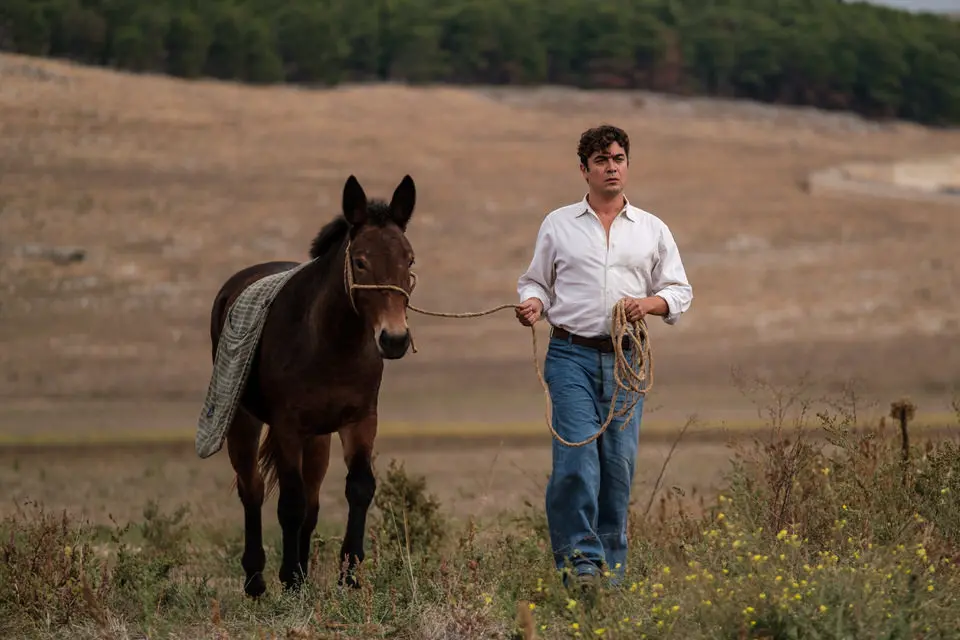
The director Rocco Ricciardulli, from Bernalda, shot his second film, L’ultimo Paradiso between October and December 2019, several dozen kilometres from his childhood home in the Murgia countryside on the border of the Apulia and Basilicata regions. The beautiful, albeit dry and arid landscape frames a story inspired by real-life events relating to the gangmaster scourge of Italy’s martyred lands. It is set in the late 1950’s, an era when certain ancestral practices of aristocratic landowners, archaic professions and a rigid division of work, owners and farmhands, oppressors and oppressed still exist and the economic boom is still far away, in time and space.
The borgo of Gravina in Puglia, where time seems to stand still, is perched at a height of 400m on a limestone deposit part of the fossa bradanica in the heart of the Parco nazionale dell’Alta Murgia. The film immortalizes the town’s alleyways, ancient residences and evocative aqueduct bridging the Gravina river. The surrounding wild nature, including olive trees, Mediterranean maquis and hectares of farm land, provides the typical colours and light of these latitudes. Just outside the residential centre, on the slopes of the Botromagno hill, which gives its name to the largest archaeological area in Apulia, is the Parco naturalistico di Capotenda, whose nature is so pristine and untouched that it provided a perfect natural backdrop for a late 1950s setting.
The alternative to oppression is departure: a choice made by Antonio whom we first meet in Trieste at the foot of the fountain of the Four Continents whose Baroque appearance decorates the majestic piazza Unità d’Italia.
The director Rocco Ricciardulli, from Bernalda, shot his second film, L’ultimo Paradiso between October and December 2019, several dozen kilometres from his childhood home in the Murgia countryside on the border of the Apulia and Basilicata regions. The beautiful, albeit dry and arid landscape frames a story inspired by real-life events relating to the gangmaster scourge of Italy’s martyred lands. It is set in the late 1950’s, an era when certain ancestral practices of aristocratic landowners, archaic professions and a rigid division of work, owners and farmhands, oppressors and oppressed still exist and the economic boom is still far away, in time and space.
The borgo of Gravina in Puglia, where time seems to stand still, is perched at a height of 400m on a limestone deposit part of the fossa bradanica in the heart of the Parco nazionale dell’Alta Murgia. The film immortalizes the town’s alleyways, ancient residences and evocative aqueduct bridging the Gravina river. The surrounding wild nature, including olive trees, Mediterranean maquis and hectares of farm land, provides the typical colours and light of these latitudes. Just outside the residential centre, on the slopes of the Botromagno hill, which gives its name to the largest archaeological area in Apulia, is the Parco naturalistico di Capotenda, whose nature is so pristine and untouched that it provided a perfect natural backdrop for a late 1950s setting.
The alternative to oppression is departure: a choice made by Antonio whom we first meet in Trieste at the foot of the fountain of the Four Continents whose Baroque appearance decorates the majestic piazza Unità d’Italia.
Lebowski, Silver Productions
In 1958, Ciccio, a farmer in his forties married to Lucia and the father of a son of 7, is fighting with his fellow workers against those who exploit their work, while secretly in love with Bianca, the daughter of Cumpà Schettino, a feared and untrustworthy landowner.
Design patterns are a powerful tool for developers, and GitHub’s PDF resources provide a wealth of information to help you get started. By leveraging these resources, you can improve your coding skills, reduce development time, and create more maintainable and scalable software systems.
Whether you’re a seasoned developer or just starting out, design patterns are an essential part of your toolkit. So why not dive in and start exploring the world of design patterns today?
Now that we’ve covered the basics, let’s explore some of the top PDF resources on GitHub for learning design patterns: This classic book by Erich Gamma, Richard Helm, Ralph Johnson, and John Vlissides is a must-read for any developer. The PDF is available on GitHub and covers the 23 most commonly used design patterns. 2. Head First Design Patterns This engaging and easy-to-understand guide by Kathy Sierra and Bert Bates uses a visually rich format to teach design patterns. The PDF is available on GitHub and covers topics such as creational, structural, and behavioral patterns. 3. Design Patterns in C# This PDF guide by Microsoft’s C# documentation team provides a comprehensive overview of design patterns in C#. It covers topics such as Singleton, Factory, and Observer patterns, along with code examples and explanations. 4. Pattern-Oriented Software Architecture This PDF guide by Frank Buschmann, Kevlin Henney, and Douglas R. C. Schmidt provides a comprehensive overview of software architecture and design patterns. It covers topics such as creational, structural, and behavioral patterns, along with case studies and examples. 5. Design Patterns: A Tutorial This PDF guide by James W. Cooper provides a hands-on introduction to design patterns. It covers topics such as creational, structural, and behavioral patterns, along with code examples and exercises.
As a developer, you’re likely no stranger to the concept of design patterns. These reusable solutions to common problems have been a cornerstone of software development for decades, helping developers create more efficient, scalable, and maintainable code. However, with so many design patterns out there, it can be overwhelming to know where to start.